
© 2026 Resintel. All rights reserved. Supply/Demand data provided by and copyrighted by the American Chemistry Council.
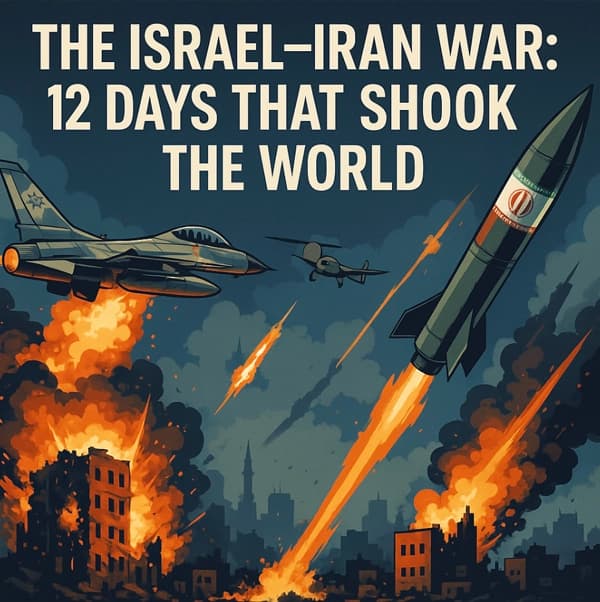
The flash war between Israel and Iran delivered a sharp and intense whipsaw reaction in world energy, equity, and currency markets. It began on June 13, when Israel launched a coordinated airstrike campaign on a comprehensive array of Iranian nuclear, missile and strategic facilities while eliminating at least a score of top military leaders. By June 15, Iran responded with a barrage of missile and drone strikes targeting Israeli cities and civilian buildings, as well as airbases and other infrastructure. The U.S. became directly involved on June 19, launching precision strikes on Iranian nuclear facilities, aiming to end their quest for a nuclear bomb.
In just under two weeks, more than 1,200 confirmed fatalities were reported across both nations, with over 3,000 wounded. Three key Iranian centrifuge halls were destroyed, according to IAEA satellite data, while Israeli oil refineries in Haifa and Ashdod sustained limited but real damage. Carmel Petrochemicals, Israel’s only domestic producer of Polyethylene and Polypropylene, with a combined annual capacity of 1 billion pounds, was temporarily shut down due to the short war but was reportedly starting to ramp production back at the end of June. Carmel supplies resin to Israel, Turkey, and other Mediterranean countries as well as Europe. The conflict threatened to boil over into a regional war, with global markets bracing for a potential closure of the Strait of Hormuz, through which nearly 20% of global oil passes.
Crude oil spiked nearly 14% intraday, with WTI briefly hitting $78.40/bbl and Brent surging past $81/bbl. Freight rates out of the Arabian Gulf soared 12%, and marine insurance premiums doubled for vessels with U.S. or Israeli ties. Then, on June 24, former President Trump took to the airwaves to announce a ceasefire agreement mediated by the UAE and Switzerland. Oil plunged. By Friday, WTI had collapsed to $64.37/bbl, and the geopolitical premium was wiped out almost as quickly as it appeared.